Preparing your home for mold prevention this winter in Madison is essential for maintaining a healthy living environment. Proper measures can significantly reduce the risk of mold growth during the colder months. This article discusses the importance of mold prevention, the impact of winter weather on mold, effective strategies for keeping your home mold-free, and when to seek professional help.
Mold prevention is the process of implementing strategies to minimize moisture and humidity in your home, reducing the likelihood of mold growth. Mold thrives in damp environments, making winter a critical time for homeowners in Madison.
Why is mold prevention important?
Mold can lead to serious health issues, including respiratory problems and allergies, particularly for sensitive individuals. In Madison, where winter humidity can create ideal conditions for mold growth, taking preventive measures is crucial. Furthermore, mold can cause significant damage to your home, leading to costly repairs and decreased property value.
How does winter weather affect mold growth?
Winter weather in Madison can create conditions that both promote and inhibit mold growth. While cold temperatures may slow down mold activity, indoor humidity levels can rise due to heating systems and condensation. This moisture can lead to mold growth in areas such as basements, attics, and bathrooms. Understanding these dynamics is key to effective mold prevention.
Top strategies for mold prevention this winter
Implementing effective strategies for mold prevention can help protect your home this winter. Here are some of the most effective methods:
- Control indoor humidity: Keep indoor humidity levels below 50% by using dehumidifiers, especially in damp areas like basements and crawl spaces.
- Ventilation: Ensure proper ventilation in areas prone to moisture, such as kitchens and bathrooms. Use exhaust fans during cooking and showering.
- Insulate pipes: Insulate water pipes to prevent condensation. This is particularly important in unheated areas like crawl spaces and attics.
- Regular inspections: Conduct regular inspections for leaks and water damage, particularly after snow melts or heavy rain. Address any issues immediately.
- Mold-resistant products: Consider using mold-resistant paints and materials for areas prone to moisture, such as bathrooms and kitchens.
- Professional mold inspection: Schedule a Mold Inspection Madison WI to identify potential problem areas before winter sets in.
Common mistakes to avoid
Many homeowners make mistakes that can increase the risk of mold growth. Here are some common pitfalls to avoid:
- Neglecting ventilation: Failing to ventilate areas prone to moisture can trap humidity, creating an ideal environment for mold.
- Ignoring leaks: Small leaks can lead to significant mold problems if not addressed promptly. Regularly check for signs of leaks in roofs, walls, and plumbing.
- Overlooking insulation: Insufficient insulation can lead to condensation on cold surfaces, promoting mold growth.
- Storing items improperly: Avoid storing items in damp areas without proper ventilation, as this can trap moisture and lead to mold growth.
When to call a professional
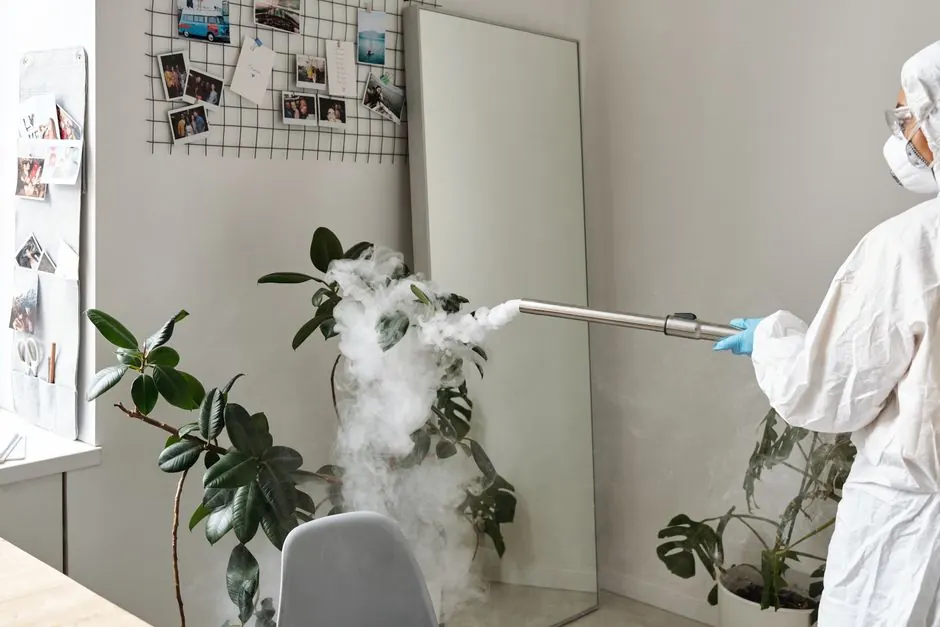
If you notice signs of mold growth or persistent moisture issues, it may be time to call in the experts. Professional services like Mold Remediation Madison WI can effectively address mold problems and help prevent future occurrences. They can provide thorough inspections, testing, and remediation services tailored to your specific needs.
Frequently Asked Questions
1. How can I tell if I have mold in my home?
Look for visible signs of mold, such as discoloration on walls or ceilings, and pay attention to musty odors. Conducting a Mold Testing Madison WI can provide a definitive answer.
2. How much does mold removal cost in Madison?
Typical costs for mold removal in Madison range from $500 to $6,000, depending on the extent of the mold problem and the area affected.
3. Can I remove mold myself?
While small areas of mold can be cleaned with proper precautions, extensive mold problems typically require professional help to ensure complete removal and safety.
4. What are the health risks associated with mold?
Mold can cause respiratory issues, allergies, and other health problems, especially for individuals with asthma or compromised immune systems.
5. How often should I check for mold?
It's advisable to check for mold at least once a season, especially after heavy rainfall or snowmelt, as these conditions can elevate indoor humidity levels.